MCP Server Architecture: Hosts, Clients, Servers, and Transports
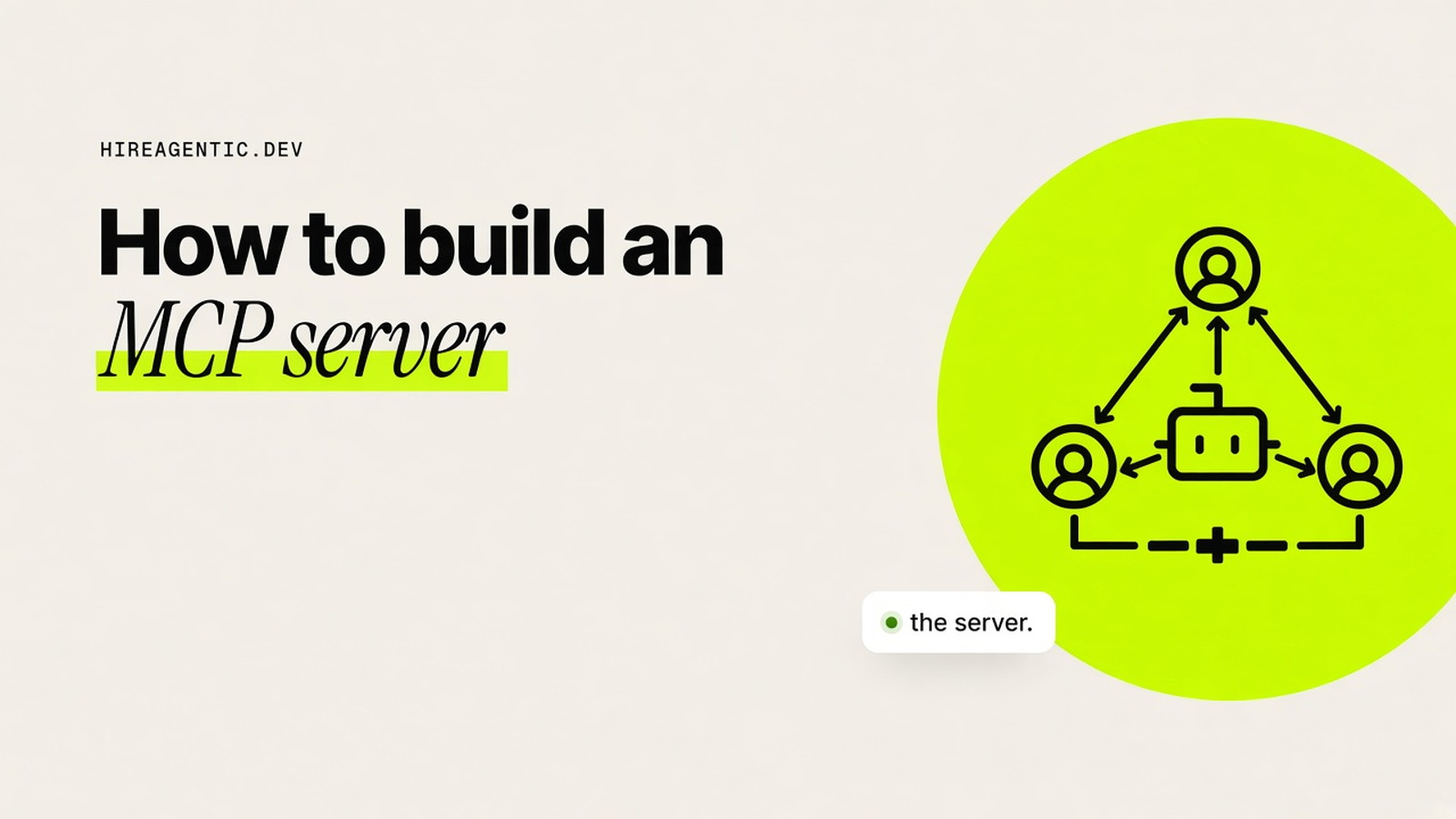
MCP server architecture in one picture: the host opens one client per server. Stdio for a local process, Streamable HTTP for a remote one, and three things a server can expose.
Services
Short answers on the Model Context Protocol: what a host, a client, and a server are, then the servers worth running and the two places an agent should not have a free hand.
10 articles in this hub, in reading order

MCP server architecture in one picture: the host opens one client per server. Stdio for a local process, Streamable HTTP for a remote one, and three things a server can expose.

How to build an MCP server: a minimal Node.js MCP server and a Python MCP server, MCP server examples you can run, and how to test them in MCP Inspector before you add auth.

One MCP server example with a tool, a resource, and a prompt. On mcp 2.3.0, unit_price(250, 3) returned 750, and a call missing quantity never reached the function.

The official MCP server list is seven reference servers. Package versions checked October 19, 2026. The old Postgres server is archived. Pin the version before you add one to a host.

The file system MCP server is @modelcontextprotocol/server-filesystem 1.0.0. Pass one directory. It can read and write inside that directory, and it denies paths outside it.

A Postgres MCP server an agent can query but not change: a SELECT-only role, one statement at a time, and the calls I ran on Postgres 16.

How to add authentication to an MCP server: your HTTP server is an OAuth 2.1 resource server. It verifies a bearer token, checks the audience, and answers 401. Stdio does not use this flow.

How to deploy an MCP server: one HTTPS POST endpoint on Streamable HTTP, a localhost bind until TLS and bearer auth are in front, and a host that can hold the process.

MCP vs function calling: use a function call when one process owns the tool. Use MCP when a second host must call it, or the tool needs its own auth and deploy.

MCP is not a framework, it is a protocol. This is the production implementation guide nobody is publishing yet: server taxonomy, auth patterns, MCP vs function calling, and the failure modes you only learn the hard way.